A textile workshop does not slow down for weak components. When a switch button feels unreliable, reacts slowly, or fails under lint, dust, humidity, and constant operation, the result is never just a small maintenance issue. It can mean unplanned stoppages, delayed orders, operator frustration, and higher replacement costs over time.
In this article, I explain what buyers should really look for in a Textile Machine Switch Button, why this small control part matters so much in daily production, and how to judge durability, compatibility, responsiveness, and service support before placing an order. I also break down common pain points, compare selection factors in a practical table, and answer frequent questions from textile equipment purchasers and maintenance teams.
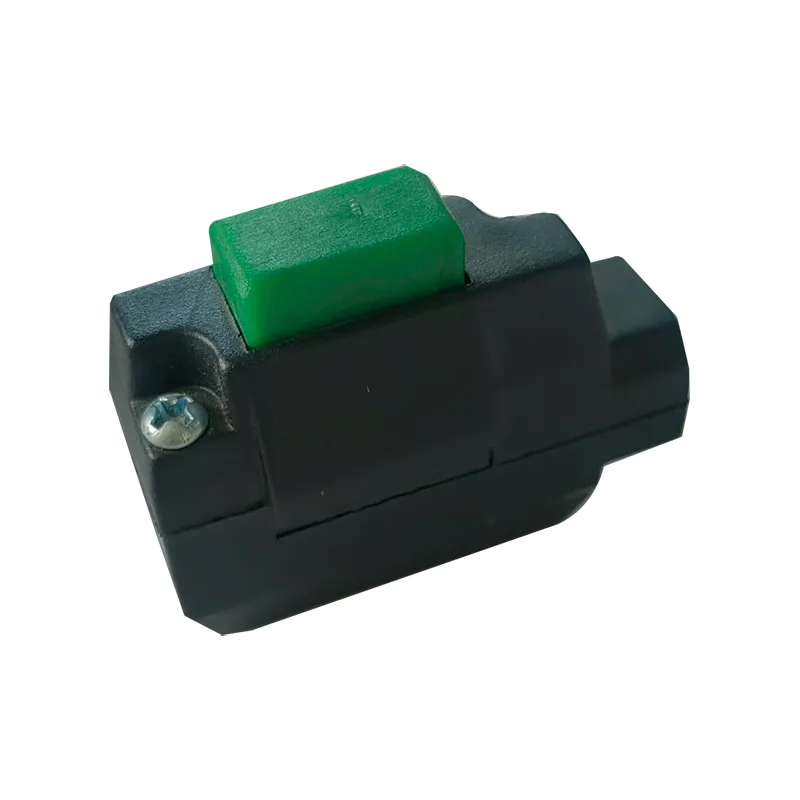
Many buyers focus first on motors, frames, control systems, or the main loom structure. That is understandable. Those are the parts people can see immediately and assign a large budget to. But in real production, a machine is only as dependable as the control points operators touch every day. A Textile Machine Switch Button may look simple, yet it sits right at the intersection of operator input, machine response, and production continuity.
When the button does not respond cleanly, sticks after repeated pressing, loses sensitivity, or becomes unstable in a dusty workshop, the problem travels quickly through the production line. A machine that should stop or reset immediately may hesitate. A unit that should restart smoothly may waste minutes on troubleshooting. Over days and weeks, those “small” interruptions become visible losses.
That is why experienced textile factories do not treat a Textile Machine Switch Button as a random accessory. They treat it as a working part that influences uptime, operator confidence, and maintenance efficiency.
I often notice that buyers are not simply looking for a cheaper part. They are trying to avoid the hidden trouble that comes after installation. In textile production, the environment is demanding, and ordinary buttons that perform acceptably in cleaner industries may become weak points very quickly.
Here are the pain points that come up again and again:
These issues sound familiar to many mills because they are not theoretical. They show up in the middle of urgent production schedules, when nobody wants a machine stopped for what should have been a reliable control component.
A good buyer does not need the longest technical brochure. A good buyer needs the right priorities. When I evaluate a Textile Machine Switch Button, I look at performance under real working conditions rather than decorative language.
| Feature | Why It Matters | What Buyers Should Watch For |
|---|---|---|
| Sealed structure | Helps reduce the impact of lint, dust, and humidity | Stable housing design and protection against workshop contamination |
| Responsive contact action | Improves control accuracy during start, stop, and reset operations | Clear triggering feel without lag or vague feedback |
| Durable internal materials | Supports repeated use in continuous production | Consistent performance after high-frequency pressing |
| Operator-friendly surface | Reduces slip and improves handling | Comfortable operation even with gloves or fast repetitive use |
| Compatibility | Speeds up replacement and reduces modification work | Practical fit for common textile machinery setups |
| Installation simplicity | Shortens downtime during maintenance | Easy wiring and replacement process |
| Customization ability | Useful when equipment models or operating conditions vary | Supplier can adjust specifications for project needs |
In practical terms, the best switch button is rarely the one with the most exaggerated claims. It is the one that keeps working when operators press it all day, when lint floats in the air, and when maintenance teams need a direct replacement instead of a headache.
Buyers often receive multiple quotations that look similar on paper. The problem is that price alone tells very little. I prefer to compare options through operating value, because the true cost of a poor part includes labor, downtime, machine interruption, and repeated purchasing.
| Comparison Point | Low-Quality Option | Reliable Option |
|---|---|---|
| Workshop adaptability | Struggles in dusty or humid conditions | Built for textile production environments |
| Button response | Feels loose, delayed, or inconsistent | Provides stable and clear operational feedback |
| Service life | Frequent replacement under continuous use | More dependable under high-frequency operation |
| Maintenance impact | Extra troubleshooting and longer stoppages | Faster replacement and smoother maintenance |
| Batch consistency | Performance varies from shipment to shipment | More controlled and predictable quality |
| Supplier cooperation | Slow answers and vague technical support | Clear communication and practical assistance |
This is where long-term purchasing becomes more rational. A dependable Textile Machine Switch Button may not always be the lowest-priced item in the quotation list, but it often becomes the lower-cost choice over the full service cycle.
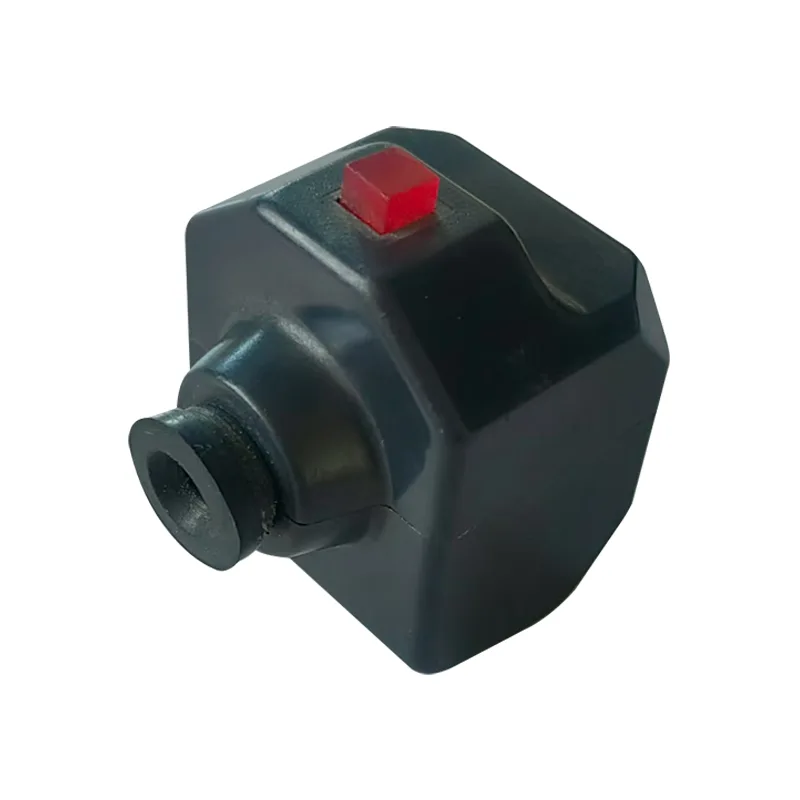
Before placing an order, I would always suggest slowing down for one short review. It saves far more time than rushing into the wrong batch. Here is a practical checklist:
A purchasing decision becomes much easier when you stop asking only “How much does it cost?” and start asking “How smoothly will this work in my factory?”
Even a good-looking product page is not enough on its own. In industrial purchasing, the supplier behind the component matters because stability is not only designed; it is also produced, checked, and supported.
This is one reason buyers pay attention to manufacturers with focused experience in textile equipment components. Nanyang Jinde Packaging Co., LTD can present the product professionally, but what really matters to customers in this field is whether the supplier understands the daily stress placed on textile machinery parts and whether the communication process helps buyers move faster with fewer mistakes.
A capable supplier usually makes a visible difference in several ways:
Buyers do not just purchase a part. They purchase confidence in operation, replacement, and repeat ordering.
Is a Textile Machine Switch Button really that important for overall machine performance?
Yes. It directly affects machine control actions such as start, stop, and reset. When this part becomes unstable, it can interrupt production and increase maintenance pressure.
Which working conditions are hardest on a switch button?
Textile workshops often combine lint, dust, humidity, repetitive operation, and fast-paced manual handling. These conditions can expose weaknesses very quickly.
Do I need to prioritize compatibility when replacing old buttons?
Absolutely. A compatible replacement helps reduce installation trouble, avoids unnecessary modification work, and shortens downtime.
What should operators notice first during daily use?
They usually notice responsiveness, tactile feedback, and whether the button remains reliable after repeated pressing during long shifts.
Can I use a general industrial switch instead of a textile-specific one?
In some cases, a general switch may fit physically, but it may not hold up well in textile production conditions. A product developed with textile environments in mind is usually the safer choice.
How do I reduce the risk of buying the wrong switch button?
Share your machine model, application purpose, operating environment, and any replacement measurements with the supplier before ordering. That short step can prevent a lot of avoidable mistakes.
The smarter choice is not to treat a Textile Machine Switch Button as an afterthought. In a real textile factory, small control components influence machine response, operator confidence, maintenance speed, and production continuity more than many people expect.
If you are comparing options, focus on the conditions your workshop actually faces: dust, humidity, repetitive operation, compatibility needs, and the pressure to minimize downtime. The right product should feel reliable in the hand, remain stable in the machine, and come from a supplier that understands what practical support looks like.
When you are ready to choose a switch button that better fits the demands of textile production, this is the moment to move from guesswork to a more dependable solution. If you want product details, model confirmation, or tailored recommendations for your equipment, contact us today and let us help you find a more reliable answer for your production line.
Back to: Table of Contents