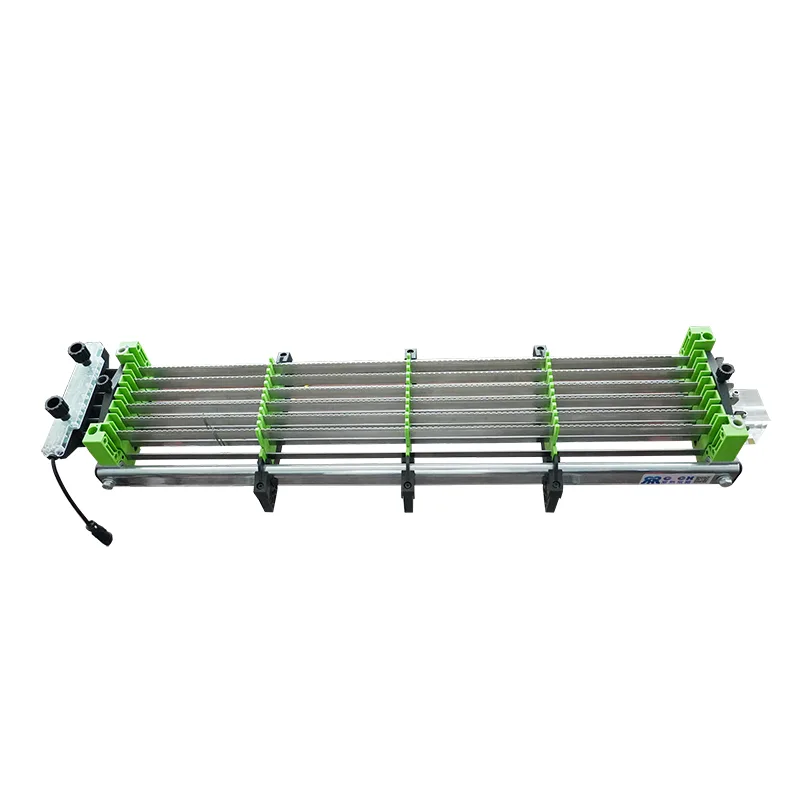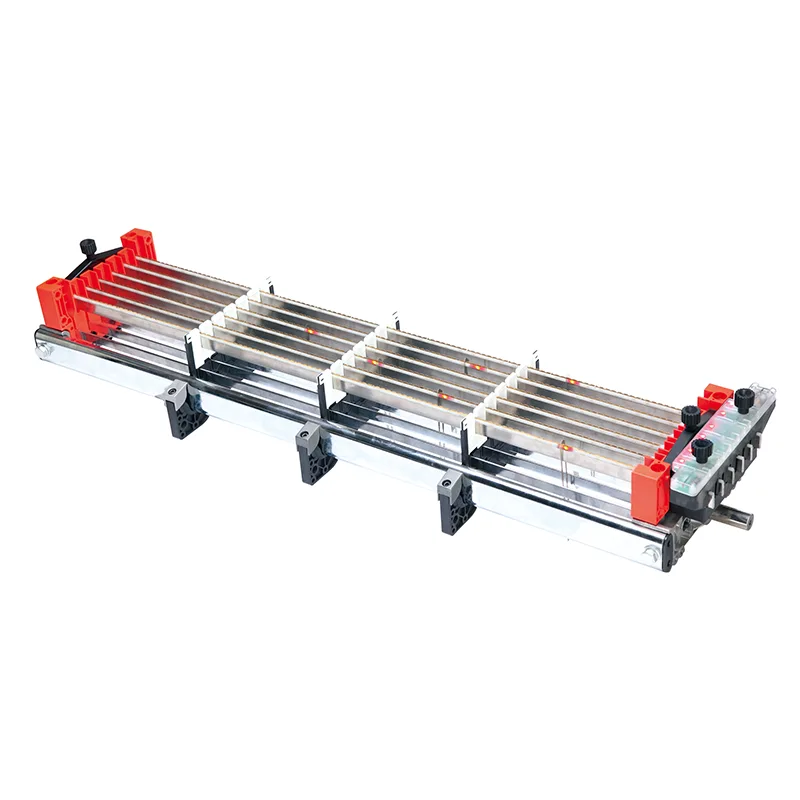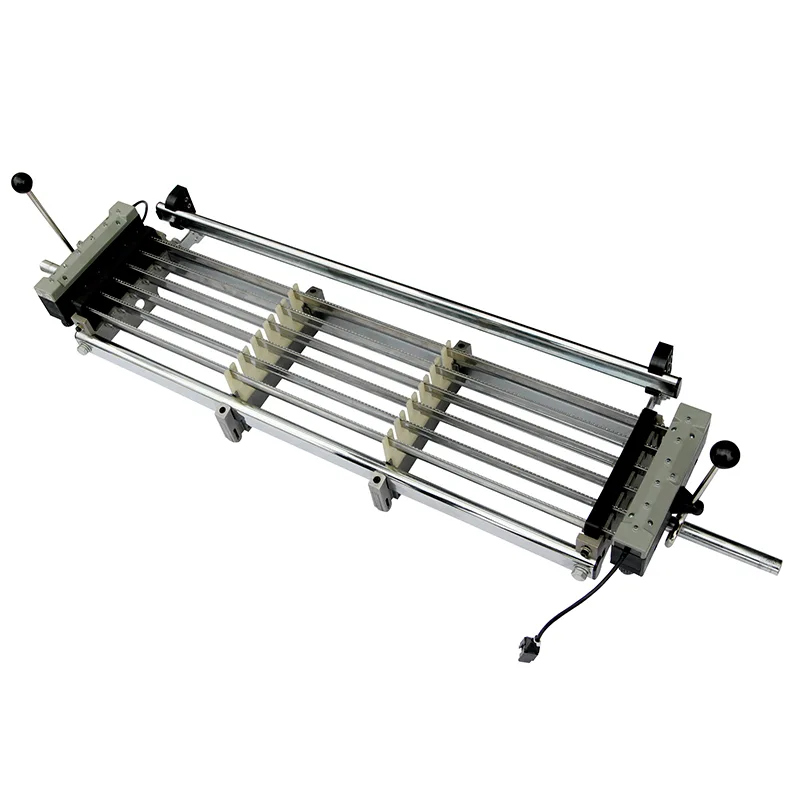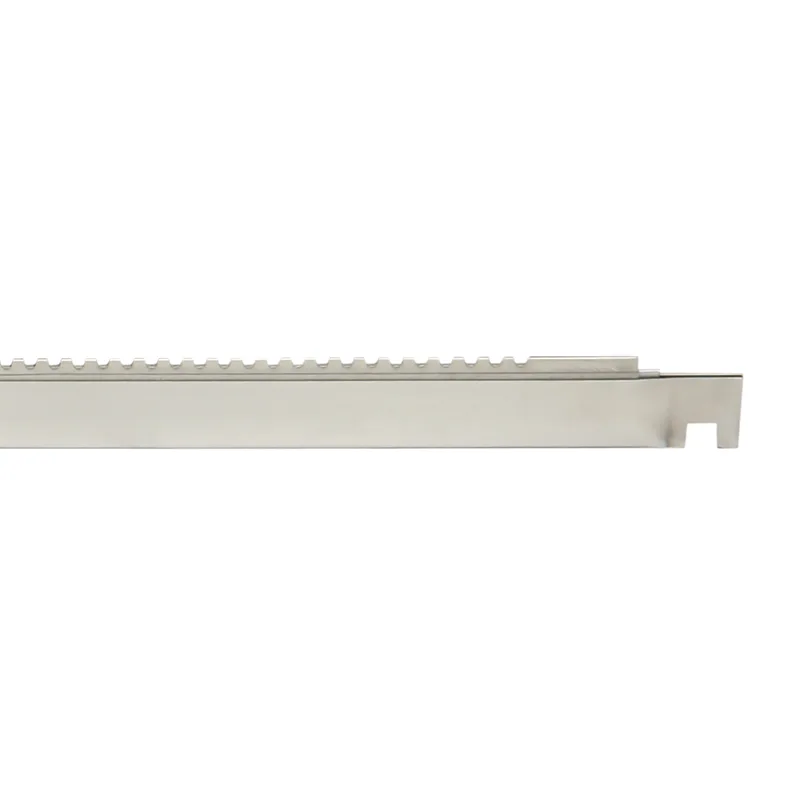
In many weaving plants, people focus first on the loom, the electronics, or the stop motion head itself. Yet the stability of the entire warp monitoring system often depends on a component that receives far less attention: the Warp Stop Motion Base. When this base is poorly designed, weak under vibration, difficult to install, or mismatched with the loom frame, the result can be repeated downtime, inconsistent detection, avoidable maintenance, and rising operating costs. This article explains why the Warp Stop Motion Base deserves serious attention, what buyers should evaluate before purchasing, and how a practical, stable design can help textile manufacturers improve continuity, reliability, and long-term value. Drawing on the product direction of Changshu Changxin Textile Equipment Co., Ltd., this guide is written for mills, maintenance teams, sourcing managers, and technical decision-makers who want fewer surprises on the production floor.
A Warp Stop Motion Base is not just a support part. It is the foundation that helps the warp stop system stay steady, aligned, and effective during daily loom operation. A better base can reduce vibration-related movement, support consistent monitoring, simplify installation, fit a wider range of machines, and lower replacement frequency in demanding workshop conditions. For buyers, the real question is not simply whether a base can be mounted, but whether it can keep supporting reliable weaving performance over time.
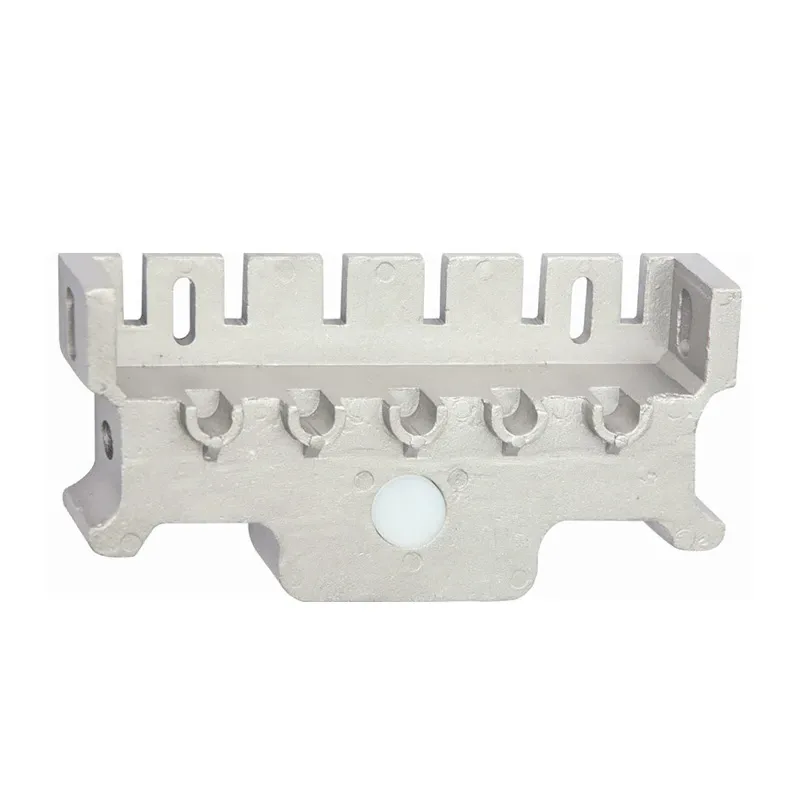
The answer is simple, but many mills only feel its importance after problems begin. The warp stop system must remain accurately positioned if it is going to monitor warp yarn behavior in a stable and repeatable way. That means the part underneath it cannot be treated as an afterthought. A Warp Stop Motion Base carries mechanical load, absorbs part of the operating stress, supports alignment, and helps the mounted structure resist movement caused by loom vibration.
In real production, even slight shifting can turn into a long chain of avoidable trouble. A small amount of looseness may lead to unstable support. Unstable support can lead to monitoring inconsistency. Monitoring inconsistency can lead to false stops, missed stops, extra inspection, and operator frustration. None of this looks dramatic when viewed in a single shift, but over weeks and months it becomes an operating cost that buyers absolutely feel.
That is why experienced textile managers increasingly evaluate the Warp Stop Motion Base not as a basic accessory, but as a structural component that influences the rhythm of production. A reliable base helps the system stay where it should, behave as expected, and continue doing its job without asking for constant attention from technicians.
Buyers usually do not complain about a base on day one. They complain when the base becomes the hidden reason behind ongoing inconvenience. A low-quality or poorly matched Warp Stop Motion Base tends to show its weakness in several very practical ways.
| Common Problem | What It Means in Daily Production | Why It Matters to Buyers |
|---|---|---|
| Insufficient rigidity | Support structure may shift or shake during operation | Creates instability, extra checks, and possible interruptions |
| Poor fit with loom models | Installation takes longer or requires modification | Increases labor cost and slows equipment preparation |
| Weak surface protection | Corrosion risk rises in humid, dusty workshops | Shortens service life and raises replacement frequency |
| Difficult adjustment | Technicians need more time to align and calibrate | Makes upgrades and maintenance more frustrating |
Textile buyers are often under pressure to reduce unplanned downtime without inflating maintenance budgets. That is exactly why the base matters. If one small component repeatedly causes extra adjustments, uncertain compatibility, or early wear, the apparent low purchase price quickly stops looking like a bargain.
This is also where a supplier’s practical manufacturing experience becomes important. A company like Changshu Changxin Textile Equipment Co., Ltd. positions the Warp Stop Motion Base as a functional support structure rather than just a simple mounting part, and that mindset aligns far better with what modern mills actually need.
The best buying decisions usually come from asking the right questions early. Instead of comparing products only by price or appearance, buyers should focus on how the base behaves under real workshop conditions. A dependable Warp Stop Motion Base should solve problems before they start, not simply sit in place and look acceptable in a catalog.
Key points worth checking include:
Buyers also need to think beyond the first installation. A good Warp Stop Motion Base continues to save time after purchase because it is easier to replace, easier to calibrate, and less likely to become a repeated service issue. That is one of the clearest differences between a part that looks acceptable and a part that genuinely helps a weaving operation run with fewer disruptions.
When several suppliers offer products with similar names, sourcing teams often need a simpler way to compare actual value. The table below gives a practical framework that moves the discussion away from vague claims and toward daily-use performance.
| Evaluation Point | Basic Option | Better Industrial Option |
|---|---|---|
| Support stability | Adequate for light or inconsistent conditions | Designed for steadier operation under continuous vibration |
| Installation efficiency | May require extra adjustment or rework | More standardized and easier to mount |
| Environmental durability | Limited protection in harsh workshops | Better suited for humid and lint-heavy conditions |
| Replacement cycle | Can become a frequent consumable issue | Offers stronger long-term value |
| Total operating impact | Lower upfront cost, higher hidden friction | Better balance of reliability, labor savings, and continuity |
This comparison matters because textile sourcing is rarely about one isolated part. Mills buy outcomes. They buy operating confidence, smoother maintenance, easier upgrades, and fewer interruptions. A stronger Warp Stop Motion Base contributes to those outcomes far more directly than many buyers first assume.
Selection should begin with the production environment, not just with the product photo. Mills that operate multiple loom models, run long production cycles, or perform frequent maintenance changes need a Warp Stop Motion Base that reduces complexity rather than adding to it.
A practical selection process usually includes four questions. First, what kind of loom compatibility is required across the plant? Second, how severe are the workshop conditions in terms of vibration, humidity, and lint? Third, how much installation time can the maintenance team realistically spend? Fourth, is the purchase goal short-term replacement or long-term improvement?
Once those questions are answered, the choice becomes much clearer. For plants that value consistency and easier equipment management, a product developed by an experienced manufacturer such as Changshu Changxin Textile Equipment Co., Ltd. offers a more reassuring path. Buyers in this category are usually not interested in experimenting with uncertain fit or limited durability. They want a part that performs its job quietly and keeps doing so.
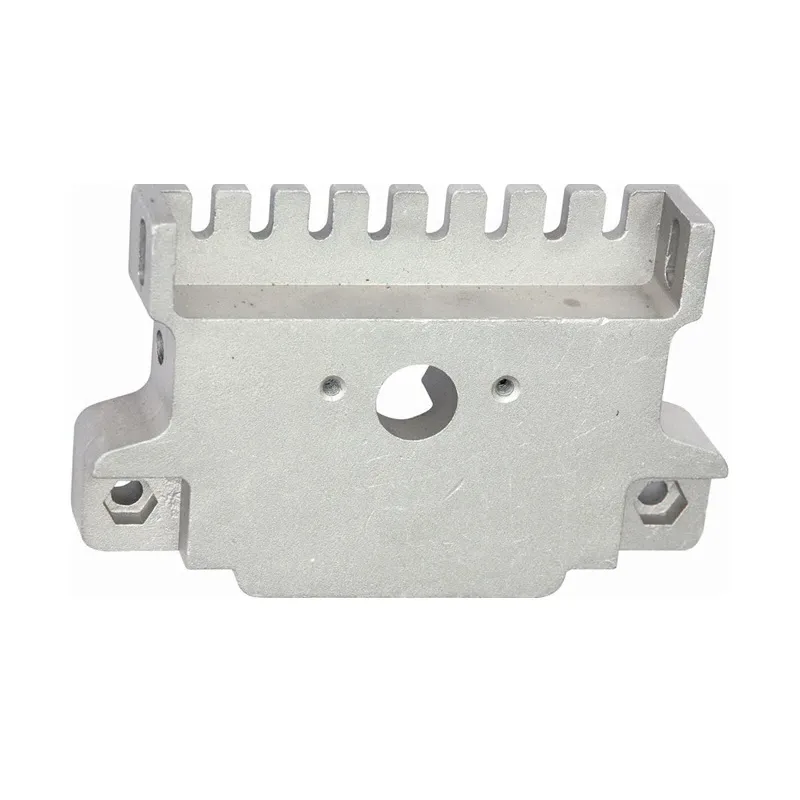
Maintenance becomes easier the moment the base stops fighting the technician. That may sound blunt, but anyone who has handled difficult fitting parts knows it is true. A well-designed Warp Stop Motion Base reduces unnecessary effort during installation, alignment, inspection, and replacement. It helps new technicians work with more confidence and allows experienced teams to move faster.
This matters even more during line upgrades or emergency replacements. When parts are standardized, structurally stable, and easier to position correctly, maintenance work becomes more predictable. Predictability is one of the most underrated advantages in a weaving plant because it protects production schedules from slipping for preventable reasons.
Over time, easier maintenance also changes the financial picture. Less time spent on rework means lower labor strain. Fewer replacement cycles mean better value from every purchase. Reduced instability means fewer interruptions that quietly drain output. That is why the right Warp Stop Motion Base is better understood as a reliability investment rather than a minor spare part.
Is a Warp Stop Motion Base really important if the stop motion head itself is good?
Yes. A high-performing head still depends on a stable support structure. If the base is weak, mismatched, or unstable, the full benefit of the mounted assembly becomes harder to achieve in actual production conditions.
What should buyers check first before ordering?
Buyers should begin with compatibility, installation dimensions, structural stability, and expected workshop conditions. These factors are more important than appearance alone and have a direct impact on usability.
Can a better base help reduce downtime?
It can help by improving support stability, making installation more efficient, and lowering the chance of repeated adjustment or premature replacement. While no single part solves every issue, a better foundation often removes one of the avoidable causes of disruption.
Why do mills care about corrosion resistance in this kind of component?
Textile workshops can be humid and full of dust or lint. Components that lack proper surface protection may degrade more quickly, which can shorten service life and increase replacement needs.
Who should supply a Warp Stop Motion Base for long-term use?
Mills usually benefit most from a supplier that understands textile operating conditions, offers consistent manufacturing quality, and can support practical compatibility requirements. That is why many buyers prefer working with established specialists such as Changshu Changxin Textile Equipment Co., Ltd..
The Warp Stop Motion Base may not be the most visible component on a loom, but it plays a decisive role in stability, installation efficiency, maintenance convenience, and long-term production confidence. Buyers who treat it as a serious structural part rather than a minor accessory tend to make better sourcing decisions and avoid a great deal of operational friction.
For weaving mills that want dependable support, stronger compatibility, and practical value in day-to-day use, working with an experienced manufacturer makes a real difference. Changshu Changxin Textile Equipment Co., Ltd. understands what textile operations expect from a reliable Warp Stop Motion Base: steadiness, durability, installation convenience, and performance that holds up where it matters most—on the production floor.
If your team is reviewing replacement options, planning a loom upgrade, or looking for a more dependable Warp Stop Motion Base solution for current production needs, now is a good time to take the next step. Contact us to discuss your loom configuration, sourcing requirements, and technical expectations, and let us help you find a more practical fit for your textile equipment system.